📚 What is Modernism?
Modernism is a broad artistic and cultural movement that radically changed art, architecture, literature, and music from the late 19th century through much of the 20th century. It's characterized by a rejection of traditional styles and a focus on innovation, experimentation, and abstraction.
📜 History and Background
Modernism arose from a variety of factors, including industrialization, urbanization, and the rapid advancement of science and technology. Artists and intellectuals felt that traditional forms of art no longer adequately reflected the modern world. They sought new ways to express the experiences and realities of a rapidly changing society.
- 🏭 Industrial Revolution: The rise of factories and mass production led to new materials and technologies that artists began to incorporate into their work.
- 🌍 World Wars: The devastation and disillusionment caused by World War I and World War II profoundly impacted artistic expression.
- 🔬 Scientific Discoveries: New understandings of physics, psychology, and other fields influenced the way artists perceived reality.
🔑 Key Principles of Modernism
- ✨ Abstraction: Moving away from realistic representation toward simplified or non-representational forms.
- 🧪 Experimentation: Exploring new materials, techniques, and perspectives.
- 💔 Rejection of Tradition: Breaking away from established artistic conventions.
- 💭 Emphasis on Subjectivity: Focusing on individual experience and emotion.
- 💡 Belief in Progress: A desire to create a better future through art and design.
🖼️ Key Works of Modernism and Their Meanings
🎨 Visual Arts
- 🟦 Piet Mondrian, Composition with Red, Blue and Yellow (1930):
Mondrian's abstract paintings sought to express universal harmony through the use of basic geometric forms and primary colors.

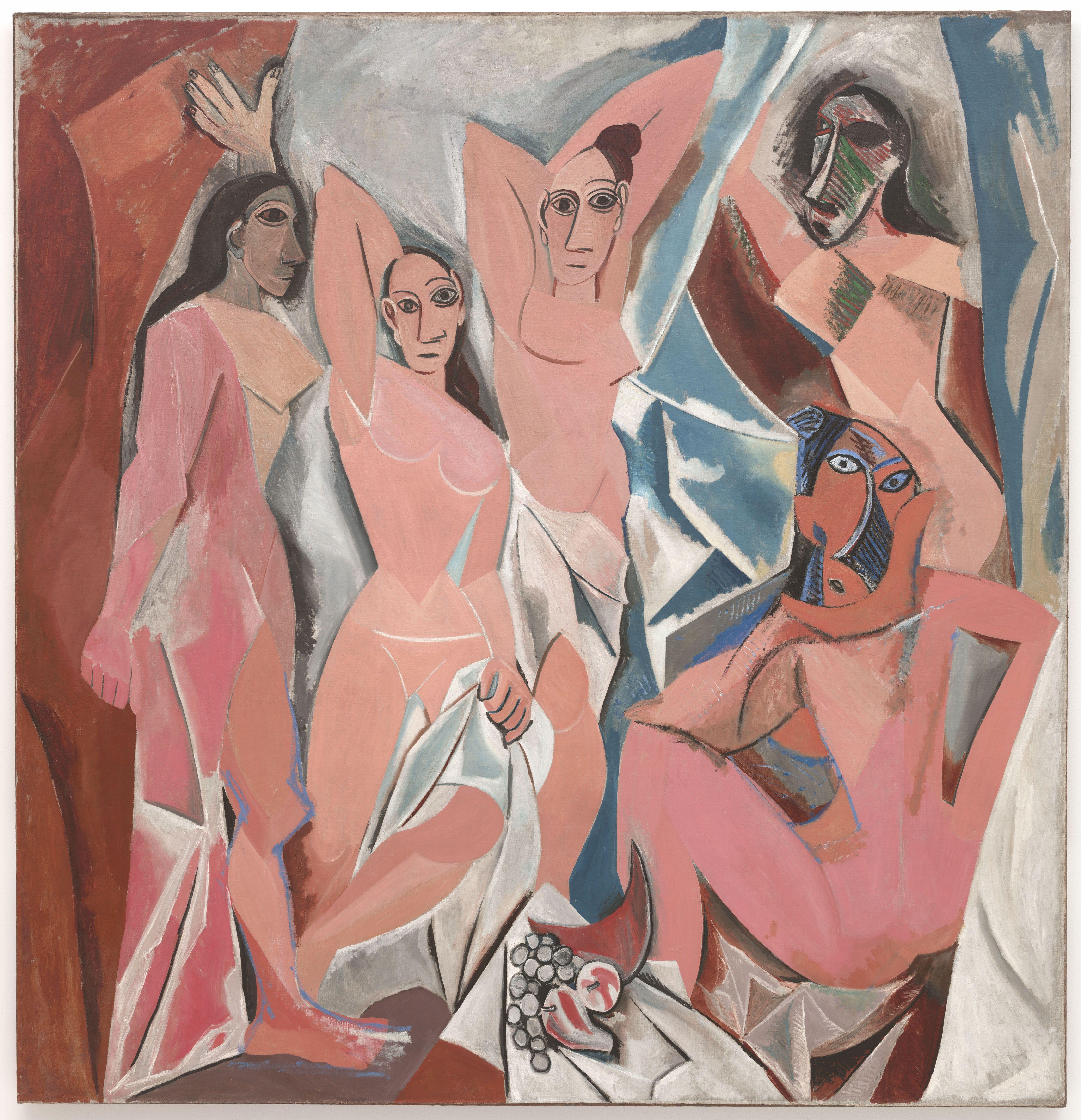
- 😵💫 Pablo Picasso, Les Demoiselles d'Avignon (1907):
Considered a foundational work of Cubism, this painting breaks down figures into geometric shapes and presents multiple perspectives simultaneously.
- 🥫 Andy Warhol, Campbell's Soup Cans (1962):
A key work of Pop Art, this series of paintings elevates everyday consumer objects to the level of fine art, challenging traditional notions of artistic subject matter.

✍️ Literature
- ⏳ T.S. Eliot, The Waste Land (1922):
A fragmented and allusive poem that reflects the post-World War I sense of disillusionment and cultural decay.
- stream_of_consciousness James Joyce, Ulysses (1922):
A groundbreaking novel that uses stream-of-consciousness narration to explore the inner lives of its characters over the course of a single day in Dublin.
- 🎭 Virginia Woolf, Mrs. Dalloway (1925):
Another example of stream-of-consciousness, this novel delves into the thoughts and feelings of a woman preparing for a party in post-war London.
🏛️ Architecture
- 🏠 Le Corbusier, Villa Savoye (1931):
An iconic example of International Style architecture, emphasizing functionalism, simplicity, and the use of modern materials.

- 🏢 Ludwig Mies van der Rohe, Seagram Building (1958):
A landmark skyscraper that exemplifies minimalist design and the use of glass and steel.

💡 Conclusion
Modernism was a revolutionary movement that transformed the artistic landscape of the 20th century. By rejecting tradition and embracing innovation, modernist artists created works that continue to challenge and inspire us today. Exploring these key works offers valuable insights into the complexities and contradictions of the modern world.